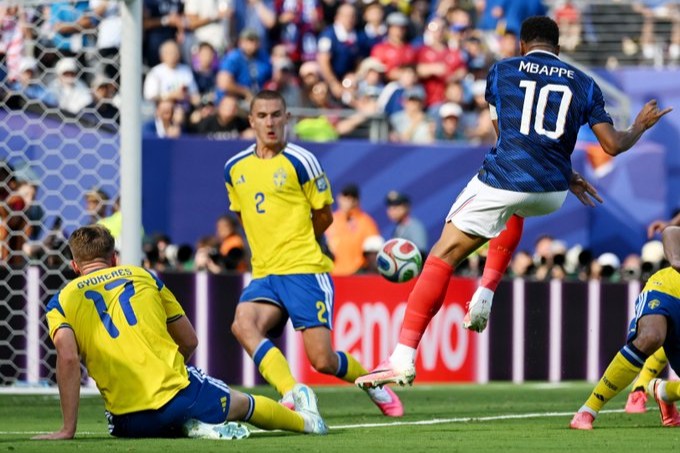
I’m a casual soccer fan. By that, I mean, I only watch the World Cup [W.C.] once every four years, and I missed the last one.
I don’t exactly know what the positions are, or what they’re supposed to do, memorize the formations, or which players are elite or hot, nor the intricacies of the rules or procedures. Contain general knowledge of history, traditions, and just about everything else. Soccer, surprisingly, was one of the few major sports I didn’t really play.
Sports is extremely regional. I met a guitarist from Alaska who couldn’t believe I never played hockey. “There weren’t too many hockey rinks in L.A. in the 80s.” Shoulda asked him how many rugby players he knew in The Last Frontier. Even BMXing, skateboarding, snowboarding, surfing in L.A. was more prevalent than hockey.
But that’s the fantastic part about fútbol. You don’t NEED to be an expert, and that’s likely why women follow it more than football or baseball [fit models sweating for 90 mins doesn’t hurt]. Soccer resembles NBA in that sense. Flow, action, relatively limited Xs and Os; much more about Jimēs and Joes…
I don’t know what a 9 or a 10 refers to unless it’s to the WC hotties, and that’s ok!
“Don’t invite a food critic over to dinner.”
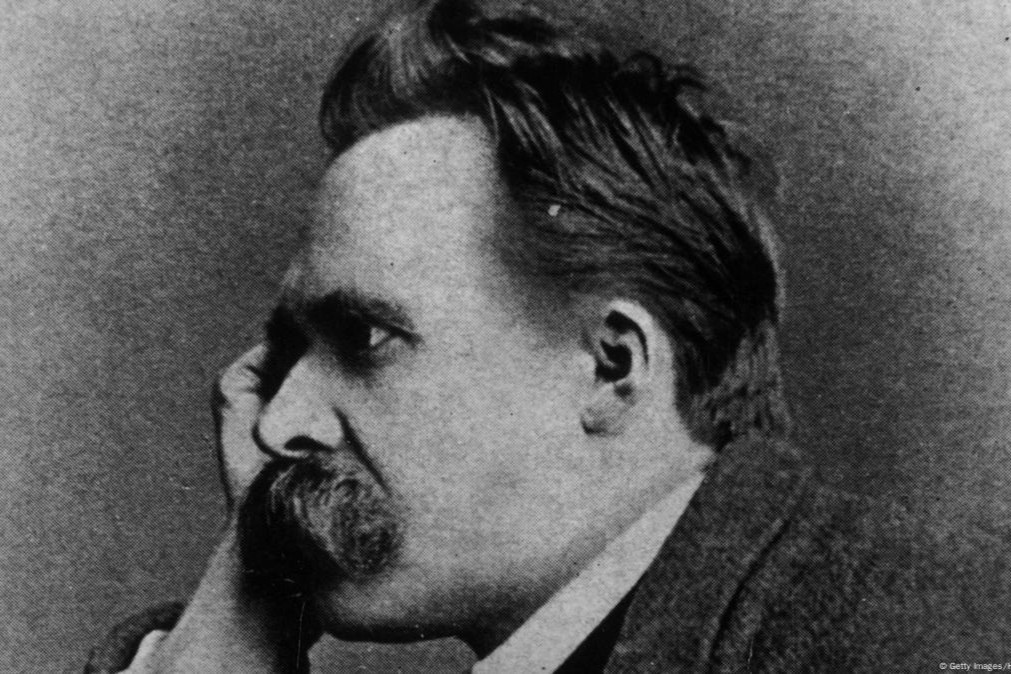
Nietzsche proposed that we have the Apollonian plus the Dionysian.
Apollonian was reason, harmony – order. Poetry.
Dionysian = feeling, passion, rapture – Music
He claimed the Greeks nailed it with their religious celebration in which they recited poetry/drama and also played music – all in arcadian landscapes beneath the crisp twinkling stars and dark rolling hills, which connected citizens, to the state, ea other, nature and the gods.
William Faulkner hinted that African American churches approximate those ancient Greeks with their preaching, singing, and dancing – an interactive exultation with less rote kneeling, standing, recitations; it’s both individual and communal [as well as cosmic if one believes].
To this day when I go to poetry readings, musicians almost always do a set, or even play in the background of readers; goes without saying, plenty of spirits flowing. If an art gallery hosts ‘the happening’, or occasional stand-up comedian attends, well, there ya go. Complete immersion.
Nietzsche also recommends that we listen to music in a language we don’t comprehend because the point of music is to transport – not to convince – and sometimes our reason acts like a speed bump to the divine. Gotta bypass the superego – after all, isn’t that what love – the most transformative and redemptive human feature – is?
All of which is to say – sometimes being a casual fan of any field – has its perks.
A 10 yr old boy isn’t going to be screaming at the TV that the formation doesn’t optimize the talent, that they lack pace and pressure, or that the manager needs to sub x, y, z…
A 10 yr old is going to savor the game like my GF enjoyed watching the Bears beat the Puke [TWICE!] last season – by basking in the tension, the energy, the Dionysian drama.
NTM Ole Butcho losing his mind.

Watching World Cup makes me a child again in that sense. It’s a nice break from the Apollonian,
“Why didn’t we trade up for Aaron Donald!”
“Why is Marion Barber running out of bounds!”
“Why isn’t Flus calling a damn TO!!!”
“Why isn’t the NFL awarding the Bears comp picks!”
Serenity now, serenity now…
That being said, you can’t Homer your way through life. Voltaire, arguably the smartest man of his age, was disturbed by his neighbor whom he judge to be more content.
Who was his neighbor – some wise Himalayan sage? Nope. Some nobody. That’s what disturbed him. Here he was a man of renown, books, accolades, wit and genius – even the King couldn’t kill him because ‘one does not arrest Voltaire,’ yet some nosy barely literate homebody was indubitably HAPPIER than him by his own account.
Henry David Thoreau experienced the same when he escaped to the wilderness and crossed a lumberjack/trapper in the woods. He envied how such a simple man can instinctively connect to nature and peace without much schooling, reading or critical thinking.
Nevertheless, short of a lobotomy, neither Voltaire nor Thoreau could ever become them.
“It is better to be a human being dissatisfied than a pig satisfied; better to be Socrates dissatisfied than a fool satisfied.” – John Stuart Mill.
However, we can become a pig for a summer! OINK OINK! We can roll in the mud, samba, down steins, and shout in raw intoxicating exuberance:
GOOOOOOOOOOOOOOALLLLLLLL!!!!!